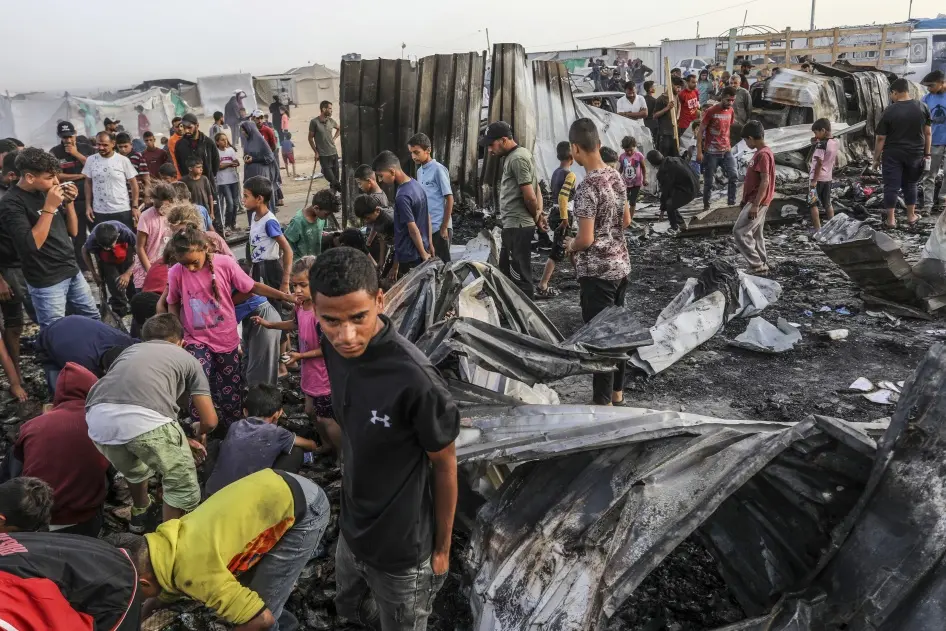

For decades, education has been one of the few lifelines for young Palestinians in Gaza, a pathway to opportunity beyond the walls of conflict and hardship. Yet, as war and humanitarian crises intensify, even that path has been brutally disrupted. Among the displaced and wounded, there is a lesser-known but deeply human story: that of Gaza’s scholars.
- The Longing for Education Amid Crisis
- A Human Story Behind the Headlines
- UK’s Role in Supporting Gaza Scholars
- The Role of Scholarships as Tools of Hope
- International Advocacy and Pressure
- Psychological Toll on the Students
- Barriers Beyond Evacuation
- Broader Impact on Gaza’s Future
- FAQs
- Why are Gaza scholars waiting for evacuation to the UK?
- What role is the UK government playing in helping Gaza scholars?
- How many Gaza students are affected by the current crisis?
- What challenges will Gaza students face even if they reach the UK?
- Why is supporting Gaza scholars important for the future?
- Conclusion
These young men and women, who had earned scholarships or placements at prestigious universities in the United Kingdom, now find themselves stranded in a besieged territory, waiting for evacuation. Their futures, once defined by ambition and academic excellence, now hang in the balance of international diplomacy and fragile humanitarian corridors. Their stories highlight not only the resilience of Gaza’s youth but also the urgent need for global support to safeguard the right to education in times of war.
The Longing for Education Amid Crisis
The idea of evacuation for study is not new in Gaza, but never has it been as vital as it is today. Since the escalation of violence, more than 70 percent of Gaza’s schools have been damaged or destroyed, according to reports by international aid agencies. Universities like the Islamic University of Gaza and Al-Azhar University have seen their campuses reduced to rubble. For students who had already secured placements abroad, these devastating losses are more than physical destruction—they are symbols of stolen futures.
Yet hope persists. The United Kingdom, among other nations, has promised safe evacuation routes for scholarship holders. Some of these students are Chevening Scholars, recipients of one of the UK’s most prestigious government-funded awards, designed to empower future leaders around the world. Others had gained acceptance to competitive postgraduate programs at institutions such as Oxford, Cambridge, and the London School of Economics. The tragedy is that while the doors of academia in Britain are wide open to them, the gates of Gaza remain closed.
A Human Story Behind the Headlines
Consider the story of Mariam, a 23-year-old aspiring law student who was accepted into a master’s program at King’s College London. She had packed her bags weeks before the latest outbreak of violence, her visa stamped and ready. But as airstrikes tore through her neighborhood, Mariam’s dreams were forced into indefinite suspension. “Every night I fall asleep wondering if I’ll ever make it to my first lecture,” she told international journalists in a rare phone interview. Her words echo the despair of hundreds of students like her—those whose dreams of education abroad represent not just personal achievement but a lifeline for their families and communities.
Mariam’s story is not isolated. Dozens of young Gazans with letters of acceptance in hand are in similar predicaments. Each name on the evacuation list is not just a statistic; it is a story of resilience, intellect, and ambition amidst despair. These students have survived bombardment, displacement, and the constant fear of losing loved ones. Now they must survive the bureaucratic uncertainty of whether humanitarian corridors will open in time for them to pursue their studies.
UK’s Role in Supporting Gaza Scholars
The United Kingdom has historically positioned itself as a hub for international students, with over 600,000 foreign students enrolled in British institutions annually. For Gazans, securing a scholarship in the UK is both an academic triumph and a humanitarian lifeline. British officials have expressed commitment to ensuring that students from conflict zones can access education. However, the logistical and political challenges remain immense.
Foreign Office representatives have stated that efforts are underway to coordinate with Egypt and Israel for safe passage through the Rafah border crossing. Humanitarian organizations, such as Scholars at Risk and the Council for At-Risk Academics (CARA), have also stepped in to advocate for these students. The UK government’s challenge lies not only in evacuation but also in ensuring that once students arrive, they are given adequate psychological and financial support to transition into their academic programs after enduring trauma.


The Role of Scholarships as Tools of Hope
Scholarships like Chevening are more than academic opportunities; they are investments in leadership and development. Past Palestinian recipients have gone on to become doctors, lawyers, engineers, and advocates for peace and human rights. According to UK government statistics, over 50 Palestinian students have been awarded Chevening Scholarships in the last decade. Each graduate represents a ripple effect of progress, contributing knowledge and leadership to a region in desperate need of both.
Education has always been seen as one of Gaza’s strongest tools of resilience. Despite poverty and limited resources, Gaza’s literacy rate stands at over 96 percent, one of the highest in the Middle East. This remarkable statistic underscores the determination of Gazan families who, even in the darkest of times, prioritize learning as a means of survival and dignity.
International Advocacy and Pressure
The plight of Gaza’s stranded scholars has sparked international advocacy. Academic networks, NGOs, and diaspora communities have rallied to amplify their voices. Petitions have circulated online, urging the UK government to expedite evacuation procedures. University professors across Britain have written open letters to Parliament, emphasizing that education should never become collateral damage in conflict.
Experts argue that allowing these scholars to pursue their studies abroad is not merely a humanitarian gesture but a strategic investment in peace. Dr. Jane Harrington, vice-chancellor of the University of Greenwich, recently stated, “By investing in Palestinian students, we are investing in future voices of diplomacy, leadership, and reconciliation. Their education benefits not only themselves but the global community.”
Psychological Toll on the Students
Beyond the logistics, the emotional and psychological burden on these students is immense. Living under constant bombardment, with uncertainty about whether they will survive to pursue their dreams, creates an atmosphere of paralysis. Some students describe feeling guilty for wanting to leave when their families remain behind. Others report deep anxiety that even if they make it to the UK, they may struggle to focus academically after witnessing trauma.
Mental health experts emphasize the importance of providing targeted psychological support for evacuated scholars. Trauma counseling, peer support groups, and mentorship networks are critical to helping these students succeed academically once they reach British soil. Without such interventions, the scars of war may undermine the very opportunities they fought so hard to secure.
Barriers Beyond Evacuation
Even if students are successfully evacuated, challenges remain. Many have lost their documents—passports, transcripts, certificates—in the rubble of destroyed homes. Universities in the UK and organizations like CARA are working to provide flexibility, allowing students to submit alternative proof of credentials. Financial barriers also loom large. While scholarships may cover tuition, living expenses in Britain remain a challenge for many Gazan families already struggling to survive.
Universities and community groups have been stepping up with fundraising campaigns, offering stipends, housing assistance, and emergency grants. These efforts demonstrate the power of solidarity in ensuring that education is not another casualty of war.
Broader Impact on Gaza’s Future
The evacuation of Gaza scholars is not just about saving individual futures—it is about investing in the collective future of Palestinian society. These students carry the potential to return as leaders, educators, and innovators, contributing to the rebuilding of their homeland. In regions where conflict threatens to erase opportunities for growth, education stands as one of the most powerful tools for resistance and resilience.
For Gaza, every scholar who earns a degree abroad is a symbol of possibility. They represent the idea that even amid destruction, knowledge can be cultivated and carried forward. They also serve as bridges between cultures, fostering understanding and dialogue in an increasingly polarized world.
FAQs
Why are Gaza scholars waiting for evacuation to the UK?
Gaza scholars are waiting for evacuation because the ongoing conflict has made it impossible for them to leave through normal travel routes. Despite having scholarships and university admissions secured in the UK, they are stranded due to closed borders, destroyed infrastructure, and delays in establishing humanitarian corridors.
What role is the UK government playing in helping Gaza scholars?
The UK government is coordinating with neighboring countries like Egypt and Israel to secure safe passage for students. It is also working with humanitarian organizations and academic networks to provide logistical and financial support for these scholars once they arrive in the UK.
How many Gaza students are affected by the current crisis?
Exact numbers vary, but humanitarian groups estimate that hundreds of students from Gaza have been accepted into universities abroad, with dozens specifically bound for the UK. Many are recipients of prestigious scholarships such as Chevening.
What challenges will Gaza students face even if they reach the UK?
Beyond evacuation, students face challenges like lost documents, financial instability, and the psychological trauma of war. Universities and NGOs are stepping in to provide flexible admissions processes, financial aid, and mental health support to help them succeed.
Why is supporting Gaza scholars important for the future?
Supporting Gaza scholars ensures that education continues to thrive even in conflict zones. These students represent future leaders, professionals, and advocates who can contribute to rebuilding Gaza and fostering peace. Their education is a global investment in stability and progress.
Conclusion
The plight of Gaza scholars awaiting UK evacuation is more than a logistical or political issue—it is a moral imperative. Their stories remind the world that education is not a privilege but a right, even in times of war. As governments, universities, and civil society work together to secure their safe passage, the global community must recognize.
The importance of protecting intellectual and human potential from the ravages of conflict. These young scholars are not just students; they are the future leaders, thinkers, and voices of their people. Ensuring their access to education is an investment not only in their lives but in the broader pursuit of peace and justice.