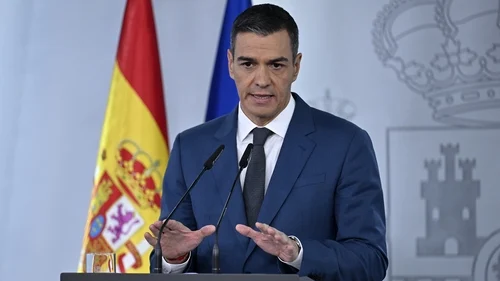

The world of international sports has often been seen as a realm that transcends politics, fostering unity, camaraderie, and respect among nations. Yet, history has repeatedly shown that the political climate cannot be separated from the global sports stage. Recently, the Spanish Prime Minister made headlines by calling for Israel’s exclusion from international sports competitions, igniting a heated debate across the globe.
- The Call for a Ban: Spain’s Standpoint
- The Historical Context of Political Bans in Sports
- Reactions Across the Sporting World
- Israel’s Response to the Ban Proposal
- Human Rights Advocates and Global Reactions
- The Role of Sports in Political Diplomacy
- The Impact on Athletes and Fans
- The Economic and Diplomatic Ramifications
- Could This Trigger a New Precedent?
- Expert Opinions on the Debate
- Global Public Opinion
- FAQs
- Why did the Spanish PM call for Israel’s ban from international sports?
- Has a country ever been banned from international sports before?
- How has Israel responded to the call for a ban?
- What role do sports organizations like FIFA and the IOC play in such decisions?
- What could be the long-term impact if Israel is banned?
- Conclusion
The announcement has not only stirred intense discussions among sports enthusiasts and political analysts but also sparked a wave of reactions from international organizations, human rights advocates, and governments worldwide. This development raises critical questions about the intersection of politics, sports, and human rights, and whether banning a nation from sporting events can serve as a tool for accountability.
The Call for a Ban: Spain’s Standpoint
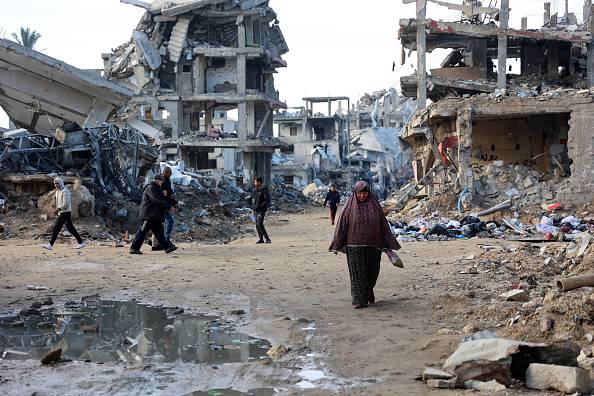
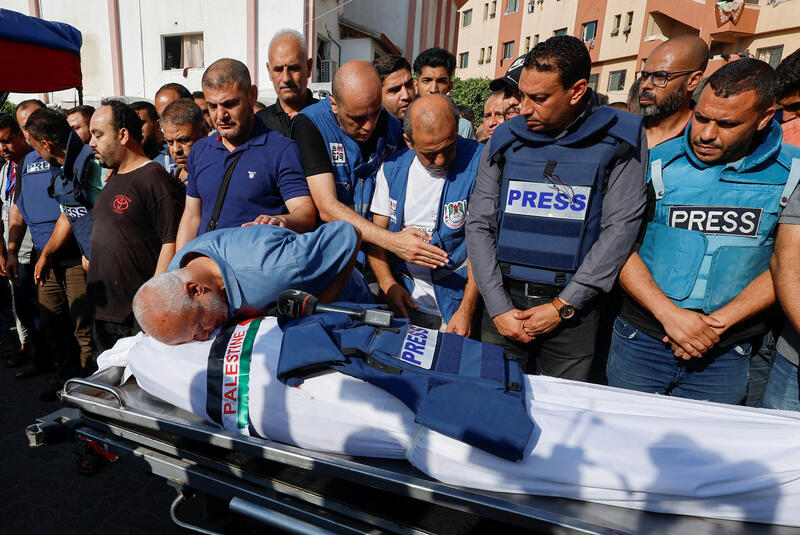
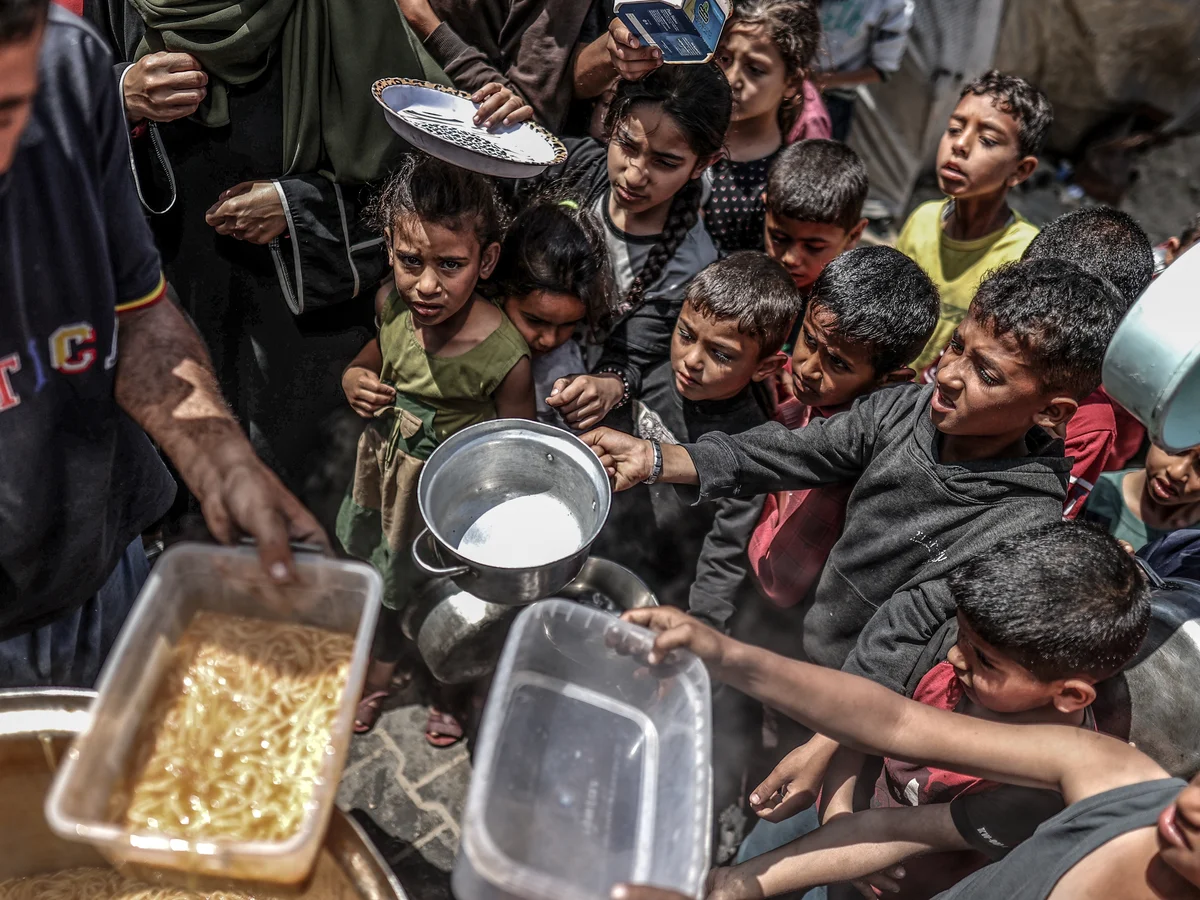
The Spanish Prime Minister’s call for Israel’s suspension from international sports competitions is rooted in the broader debate over the ongoing conflict in Gaza and the treatment of Palestinians. According to Spanish officials, the decision is framed as a response to alleged violations of international humanitarian law and a need to hold nations accountable beyond political and economic sanctions. Spain has long been vocal about the humanitarian crisis in Gaza, and this move reflects its broader foreign policy stance of supporting Palestinian rights on the global stage.
By pushing for a ban, Spain draws parallels to historical precedents where countries were isolated in the sporting arena due to political actions, such as South Africa during the apartheid era. The argument is that sports, being a powerful international platform, can be used to send a strong moral message and apply pressure on governments accused of human rights abuses.
The Historical Context of Political Bans in Sports
Sports have historically been used as instruments of protest, diplomacy, and punishment. Perhaps the most notable precedent is South Africa’s ban from international sporting events during apartheid, which lasted from the 1960s until the early 1990s. The sporting boycott was widely considered one of the most effective forms of pressure that contributed to the dismantling of apartheid.
Another example is Russia’s suspension from several sporting competitions following the annexation of Crimea in 2014 and, more recently, the full-scale invasion of Ukraine in 2022. Russian athletes faced bans from FIFA, UEFA, and the International Olympic Committee, signaling that political actions can directly affect a nation’s sporting presence.
These examples serve as a reminder that international sports are not immune to politics. Spain’s call for Israel’s suspension falls within this historical trajectory, yet it also introduces a complex debate on whether sports should remain neutral or act as a stage for political accountability.
Reactions Across the Sporting World
The proposal has sparked polarized reactions. Some sports federations and advocacy groups have expressed support, arguing that Israel’s participation undermines the moral integrity of international competitions. Others warn that politicizing sports could set a dangerous precedent and erode the values of unity and inclusivity that global competitions are meant to uphold.


FIFA and the International Olympic Committee (IOC), two of the most influential governing bodies in world sports, have historically resisted calls to ban countries unless international consensus or security threats made participation impossible. Both organizations emphasize neutrality, yet they have made exceptions when global pressure was overwhelming, such as with Russia and South Africa. Whether they will take Spain’s call seriously remains uncertain.
Israel’s Response to the Ban Proposal
Unsurprisingly, Israel has strongly condemned the Spanish Prime Minister’s statement, calling it an unjust and politically motivated attack. Israeli officials argue that sports should remain free from political influence and that targeting athletes and teams punishes individuals who have no direct role in government policies.
Israeli athletes, who have already faced hostility and boycotts from competitors in various sports, would bear the brunt of such a decision. Some Israeli sports associations have described the call as discriminatory, warning that it undermines the spirit of fair play and equality in international competitions.
Human Rights Advocates and Global Reactions
Human rights organizations remain divided. Some groups argue that isolating Israel in sports is an effective nonviolent method of pushing for accountability, similar to the sports boycott against apartheid South Africa. They view it as part of a broader Boycott, Divestment, and Sanctions (BDS) movement, which seeks to exert economic, cultural, and political pressure on Israel.
However, critics say that such measures may escalate divisions rather than promote peace. They argue that athletes, who often symbolize unity and resilience, should not be punished for actions taken by their governments. Moreover, they warn that such decisions could open the door for other politically motivated exclusions, undermining the universality of sports.
The Role of Sports in Political Diplomacy
Sports have always been more than just games. They serve as soft power tools, allowing nations to project influence, build relationships, and showcase their identity on the world stage. From “ping-pong diplomacy” between the United States and China in the 1970s to the unifying power of the Olympic Games, sporting events have often been platforms for political signaling.
Spain’s proposal challenges the idea of sports as apolitical, instead framing them as instruments of accountability. If sports federations adopt this stance, it could fundamentally reshape the relationship between politics and global competitions.
The Impact on Athletes and Fans
Should Israel be banned, the immediate consequences would be felt by athletes, coaches, and fans. Israeli athletes would lose opportunities to compete on the world stage, potentially stunting their careers. For fans, national pride tied to international representation would be disrupted, fueling further resentment.
Furthermore, banning Israel could lead to a domino effect, with other countries either supporting the exclusion or refusing to participate in events where Israel is barred. This could result in boycotts, fractured competitions, and diminished global sporting unity.
The Economic and Diplomatic Ramifications
The international sports industry is not only about athleticism but also about billions of dollars in sponsorships, broadcasting rights, and tourism. Excluding Israel could affect these economic dynamics, particularly in sports where Israeli teams and athletes have strong participation.
Diplomatically, Spain’s call for a ban could strain relations between European nations and Israel. It may also influence debates within the European Union about how far sports should be used as a diplomatic tool. The move could embolden other countries sympathetic to the Palestinian cause to support similar measures, potentially reshaping international alliances.
Could This Trigger a New Precedent?
If Spain’s demand gains traction, it could establish a precedent where nations face exclusion from global sports due to political or humanitarian issues. While some may welcome this as a step toward global accountability, others worry it could fragment the international sports system.
Such a precedent could lead to increased politicization of organizations like FIFA and the IOC, forcing them into situations where they must balance neutrality against moral and political pressure.
Expert Opinions on the Debate
Experts in international relations and sports governance have offered contrasting views. Some argue that sports cannot exist in a vacuum and that international competitions carry moral weight. By allowing Israel to participate despite accusations of humanitarian violations, sports bodies risk sending the message that human rights abuses are tolerable.
On the other hand, scholars warn that sports bans are blunt instruments. According to them, isolating a nation in sports may not necessarily lead to political change but rather deepen isolation and resentment. Instead, they advocate for diplomatic engagement, people-to-people exchanges, and reforms within governing structures.
Global Public Opinion
Public opinion on the issue is deeply divided. In many parts of the Arab world and countries with strong pro-Palestinian movements, the idea of banning Israel resonates as a form of justice. Conversely, in nations that maintain close ties with Israel, such as the United States and Germany, the proposal is viewed as an unjust politicization of sports.
Surveys in Spain show a growing portion of the public supports stronger measures against Israel in light of the Gaza conflict, which may explain the Prime Minister’s decision to take such a bold stance. Social media has amplified both support and backlash, making the debate one of the most contentious sports-related political issues in recent years.
FAQs
Why did the Spanish PM call for Israel’s ban from international sports?
The Spanish Prime Minister framed the proposal as a response to alleged humanitarian law violations by Israel in Gaza. The move aims to use sports as a form of accountability, similar to historical precedents like the boycott of apartheid South Africa.
Has a country ever been banned from international sports before?
Yes. South Africa was banned during apartheid, and Russia has faced bans in recent years due to both political actions and doping scandals. These examples show that international sports have been used to address political or humanitarian issues before.
How has Israel responded to the call for a ban?
Israel condemned the Spanish Prime Minister’s statement, calling it discriminatory and politically motivated. Israeli officials argue that sports should remain neutral and that punishing athletes is unjust.
What role do sports organizations like FIFA and the IOC play in such decisions?
FIFA, the IOC, and other major governing bodies have significant influence in determining whether a country can participate in international competitions. They usually maintain neutrality but have made exceptions under global pressure, as seen with Russia and South Africa.
What could be the long-term impact if Israel is banned?
A ban could reshape global sports by setting a precedent for politically motivated exclusions. It could also affect athletes’ careers, spark boycotts, and influence diplomatic relations between nations.
Conclusion
The Spanish Prime Minister’s call for Israel’s exclusion from international sports competitions marks a significant moment in the ongoing debate about the role of politics in sports. While supporters see it as a moral stand against alleged human rights violations, critics argue it risks undermining the universal values of sportsmanship and fairness.
The issue reflects broader tensions in global diplomacy, where sports are increasingly being used as tools of accountability. Whether or not the proposal gains traction, it has already highlighted the undeniable intersection between politics and sports, forcing the international community to confront difficult questions about justice, neutrality, and the true spirit of global competition.