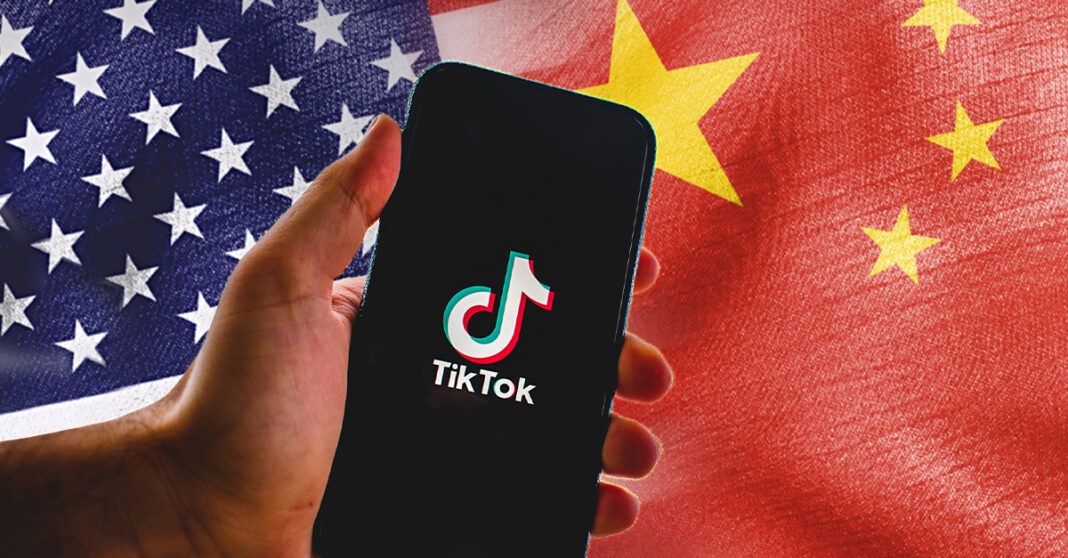

Washington has reached a tentative “framework” agreement with Beijing over TikTok’s US operations, opening the door to greater American ownership as the world’s two largest economies continue trade negotiations.
- TikTok’s Meteoric Rise
- Why Washington Raised Concerns
- The Path to a Framework Deal
- What the Framework Agreement Includes
- Expert Opinions
- The US-China Tech Rivalry
- Economic Stakes
- The Human Side of the Story
- Global Implications
- Challenges Ahead
- FAQs
- What is the US-China TikTok framework agreement?
- Will TikTok be banned in the US?
- How does this deal affect TikTok creators?
- What does this mean for US-China relations?
- Is user data safer under the deal?
- Conclusion:
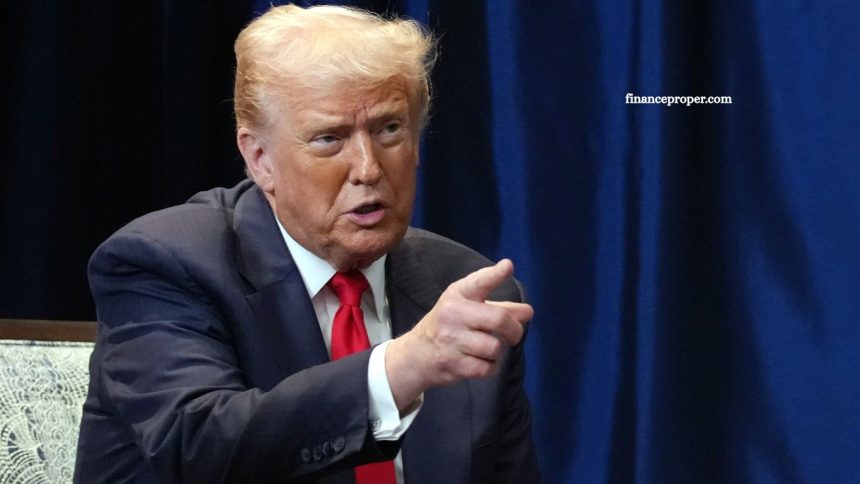
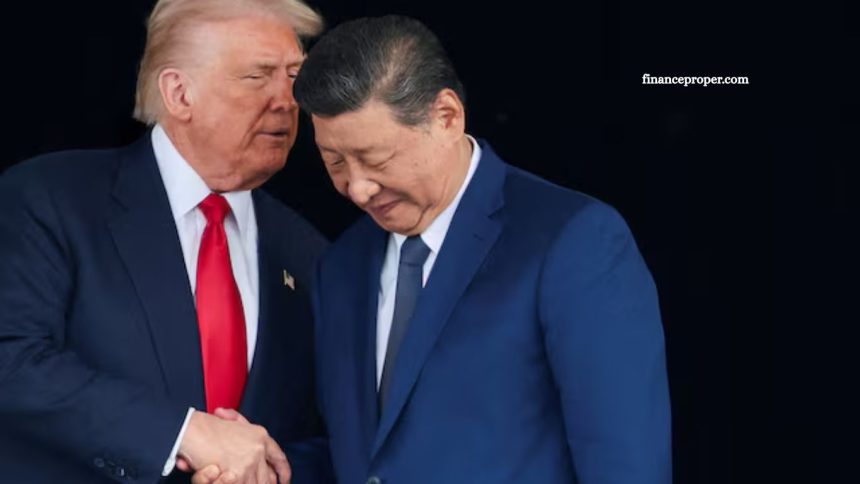
The understanding was reached during talks in Madrid, according to US Treasury Secretary Scott Bessent, who announced on Monday that President Donald Trump and Chinese President Xi Jinping are expected to finalize the deal on Friday.
Trump later shared on Truth Social that discussions had “gone very well.” Meanwhile, Chinese officials confirmed the framework but emphasized that no agreement would undermine the interests of their domestic companies.
TikTok’s Meteoric Rise
When ByteDance, a Chinese tech company, launched TikTok internationally in 2017, few expected it would reshape global entertainment. By 2021, the app surpassed 1 billion monthly active users, and by 2023, that figure climbed even higher.
What sets TikTok apart is its algorithm. Unlike platforms built around friend networks, TikTok’s “For You Page” surfaces videos based on engagement patterns, making it easy for everyday users to go viral overnight. From dance challenges to political commentary, the app quickly became a hub of creativity and influence.
Yet TikTok’s rapid success raised concerns, especially in the United States, where lawmakers began questioning how user data was being stored and whether Beijing could exert influence over the app.
Why Washington Raised Concerns
The US government has long worried that TikTok’s parent company, ByteDance, could be required under Chinese law to hand over user data to Beijing. For policymakers, this raised two major risks:
Data Security – Could Chinese authorities gain access to sensitive information about American users?
Algorithm Influence – Could the platform be manipulated to promote or suppress certain narratives, particularly around elections or national debates?
By 2020, these fears had grown so pronounced that the US government moved toward banning the app unless TikTok separated from its Chinese ownership. The move sparked legal challenges, mass protests from creators, and heated diplomatic discussions.
The Path to a Framework Deal
Over the past few years, negotiations between Washington and Beijing have been tense. Multiple scenarios were floated:
Selling TikTok’s US operations to an American buyer.
Forcing ByteDance to establish a US-based subsidiary with independent governance.
Setting strict data localization and security requirements.
Talks often stalled as political rhetoric overshadowed compromise. But in recent months, momentum shifted. According to officials, discussions held in Madrid led to a framework agreement that both sides could accept, paving the way for final approval by top leaders.
What the Framework Agreement Includes
While final details are still under discussion, insiders describe several key pillars of the framework:
American Oversight of US Operations
The deal clears a path for increased American ownership and oversight of TikTok’s US business. This ensures the company remains accountable to US law.
Data Security Guarantees
TikTok will store US user data within American borders, managed by a trusted third-party partner. This step aims to calm fears of foreign surveillance.
Transparency Measures
Regulators are expected to gain more insight into TikTok’s recommendation system. The goal is to reduce concerns about algorithmic bias or manipulation.
Trade Context
The agreement is part of broader US-China trade talks, making it both a tech and economic milestone.
Expert Opinions
Industry voices are already weighing in on the significance of the deal.
Dr. Linda Marks, International Relations Scholar: “The framework agreement is a diplomatic breakthrough. It shows that even amid fierce competition, Washington and Beijing can find common ground when interests align.”
Ethan Hughes, Cybersecurity Analyst: “Data localization is a huge win for US regulators. However, enforcement will be key. Without strict oversight, risks could still remain.”
Sofia Ramirez, Digital Marketing Strategist: “For creators and brands, the deal provides stability. TikTok has become a revenue engine for small businesses, and this agreement ensures that engine keeps running.”
The US-China Tech Rivalry
The TikTok debate reflects a bigger story: the race for global tech dominance. From 5G infrastructure to semiconductor manufacturing, Washington and Beijing are locked in a competition to shape the digital future.
TikTok, as a Chinese-owned app with massive global influence, became symbolic of this rivalry. How the two nations handled it would send a message to the world about the balance between open markets and national security.
Economic Stakes
TikTok isn’t just entertainment—it’s a multibillion-dollar business.
In 2022, TikTok generated over $9.4 billion in revenue globally.
The platform is projected to surpass $15 billion in annual ad revenue within the next few years.
More than 5 million small businesses in the US now use TikTok to reach customers.
Shutting down TikTok in the US would disrupt creators’ livelihoods, advertisers’ strategies, and consumer culture. That’s why the framework agreement is not just about politics—it’s also about protecting a growing digital economy.
The Human Side of the Story
Consider James, a 24-year-old musician in Texas. Before TikTok, his songs rarely reached beyond his local scene. But a viral video propelled his track into millions of feeds, landing him a record deal.
When rumors of a TikTok ban swirled, James feared losing his career’s biggest platform. The new framework deal gives him hope: “I can keep sharing my music without worrying the app will disappear overnight,” he says.
Stories like James’s illustrate why this debate matters. It’s not just about governments; it’s about the everyday people whose voices find amplification on TikTok.
Global Implications
Other countries are watching closely. Nations in Europe, Asia, and Latin America face similar questions about foreign tech firms operating within their borders.
If successful, the TikTok framework could serve as a blueprint: a balance between embracing innovation and protecting national interests. If it fails, expect stricter bans and fragmented digital ecosystems.
Challenges Ahead
The framework deal is a breakthrough, but challenges remain:
- Implementation – How will data localization and oversight be enforced?
- Political Shifts – Future administrations in either country could change course.
- Trust Building – Skeptics may still question whether TikTok can ever be fully secure.
These uncertainties mean the story of TikTok is far from over.
FAQs
What is the US-China TikTok framework agreement?
It is a preliminary arrangement outlining how TikTok will operate in the US, focusing on data security, partial American oversight, and transparency, while allowing the platform to continue its services.
Will TikTok be banned in the US?
A full ban now appears unlikely. Instead, the framework sets rules that allow TikTok to stay active while addressing national security concerns.
How does this deal affect TikTok creators?
Creators gain stability. With the threat of an immediate ban reduced, they can continue building businesses, audiences, and careers on the platform.
What does this mean for US-China relations?
The agreement signals that despite tensions, both nations can find compromise in critical areas. It may also influence other areas of tech and trade negotiations.
Is user data safer under the deal?
Yes. The framework requires US user data to be stored within the United States under American oversight, reducing the risk of unauthorized access.
Conclusion:
The US-China framework agreement on TikTok ownership is more than a regulatory outcome—it’s a turning point for how governments manage technology in a globalized world.
For creators and businesses, it provides much-needed stability. For policymakers, it shows that compromise is possible even in high-stakes rivalries. And for the world, it highlights a new reality: social media platforms are no longer just about entertainment; they are arenas where diplomacy, security, and culture collide.